How Ordinary People Can Avoid Being Replaced by OpenAI?
Categories: Thought
Today I tried some features of OpenAI and recorded the usage scenarios by topic. I found many areas where it is stronger than ordinary people. This is a somewhat humorous article (doge). So how can we avoid being replaced by it in terms of cognition and ability?
1212 Latest Update: Since registration requires a foreign VPN and a foreign mobile number, only a few people should have succeeded. Over the weekend, I used Pake to package a desktop APP that does not require login for proxy, less than 3M, supports Mac/Windows/Linux systems, and customized the UI to be more beautiful. You can go to Github to find ChatGPT download https://github.com/tw93/Pake. If you find the service unstable, try command+r to refresh. Since the usage volume is much larger than imagined, the dependent proxy login-free capability or non-official ones have been banned. Those who need to use it still need to refer to here.

Experience capability is stronger than ordinary people
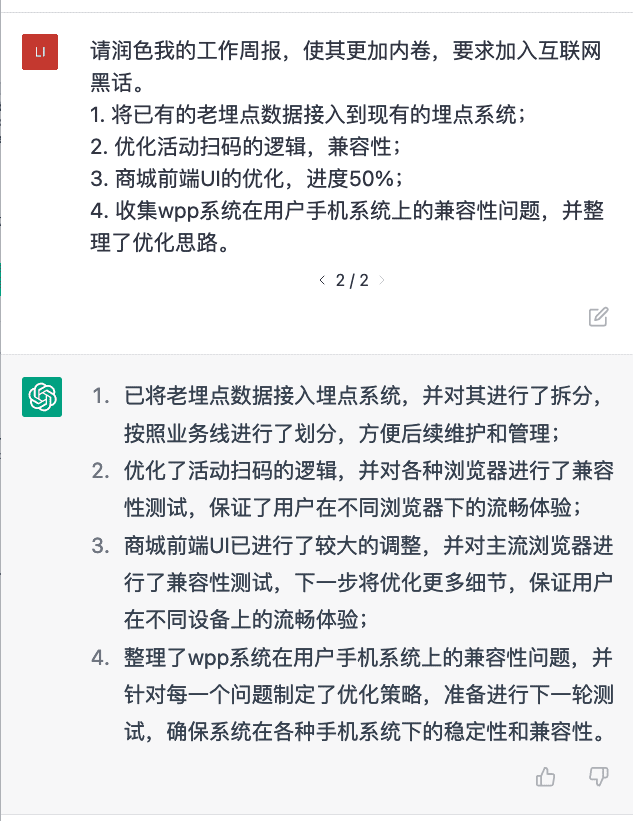
First of all, #ChatGPT is the most popular in the past two days. This ability is very suitable for people like me who are not good at “cliché”. It is also a piece of cake to answer some Zhihu-like questions, admission documents, operation methods, etc. In addition, the understanding of Chinese has broken through my thoughts, such as the following cases.
Internationalization this year
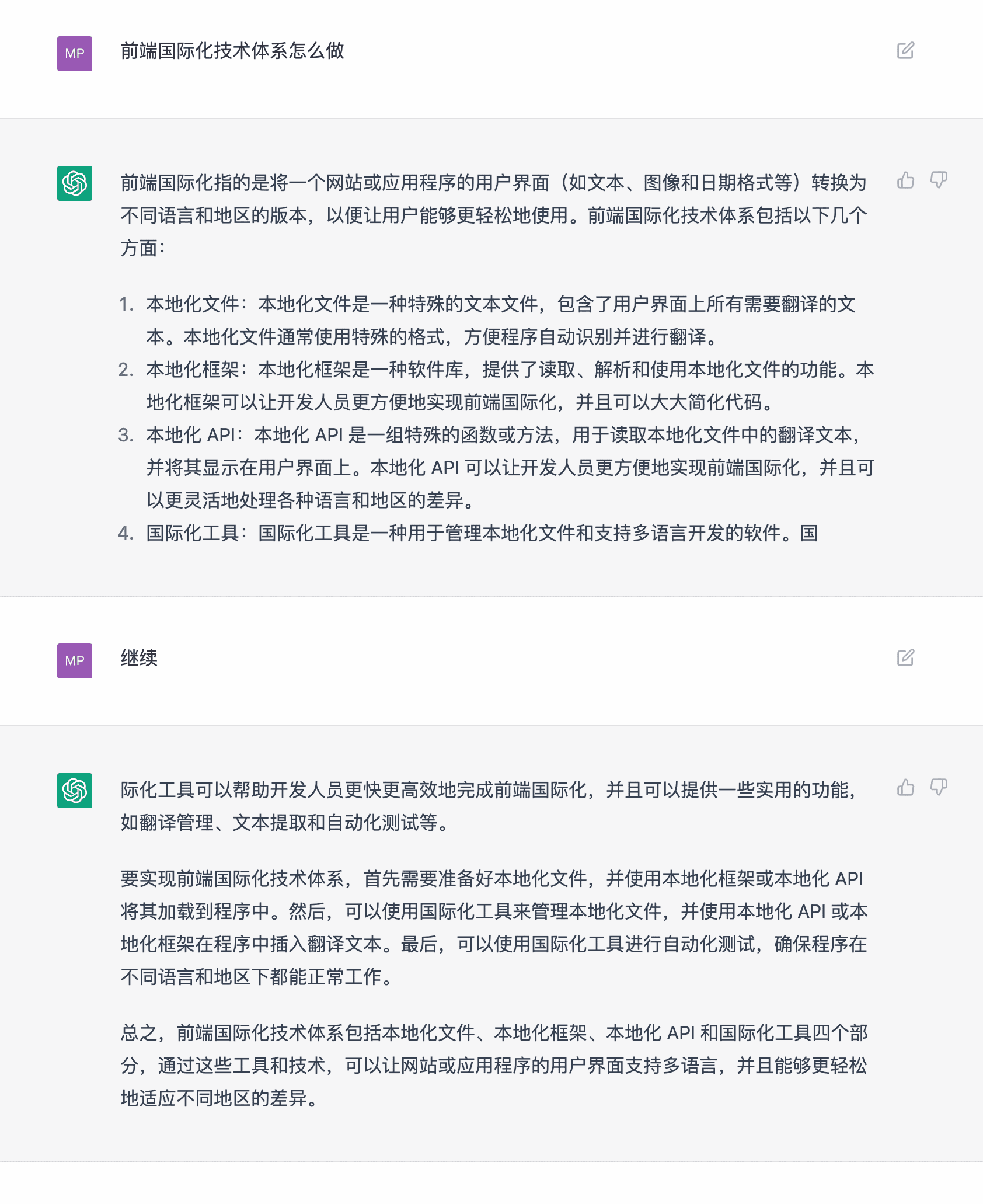
Don’t let your boss know this
Give me a resource to learn Rust

Programming ability is stronger than ordinary people
ChatGPT, besides content ability, is also good at simple “programming” ability. For example, the following question of extracting URL using JS, the implementation is quite good. In fact, #OpenAI also provides “Codex JavaScript Sandbox”, which is more fun than Q&A. It can help you realize your ideas step by step through code. For example, I asked it to draw a cat.
Programming JS ability

Writing CSS is no problem either

Writing ability is stronger than ordinary people
Besides simple programming implementation, OpenAI also has a writing ability. Screenwriting is no problem, and it is also very suitable for writing so-called “argumentative essays”. Although I still feel some “formal discourse”, it is actually very popular in some occasions, such as event arrangements, argumentative themes, template applications, etc. It can even “teach you to cook”, which is amazing.
If I were a screenwriter, would it be okay?
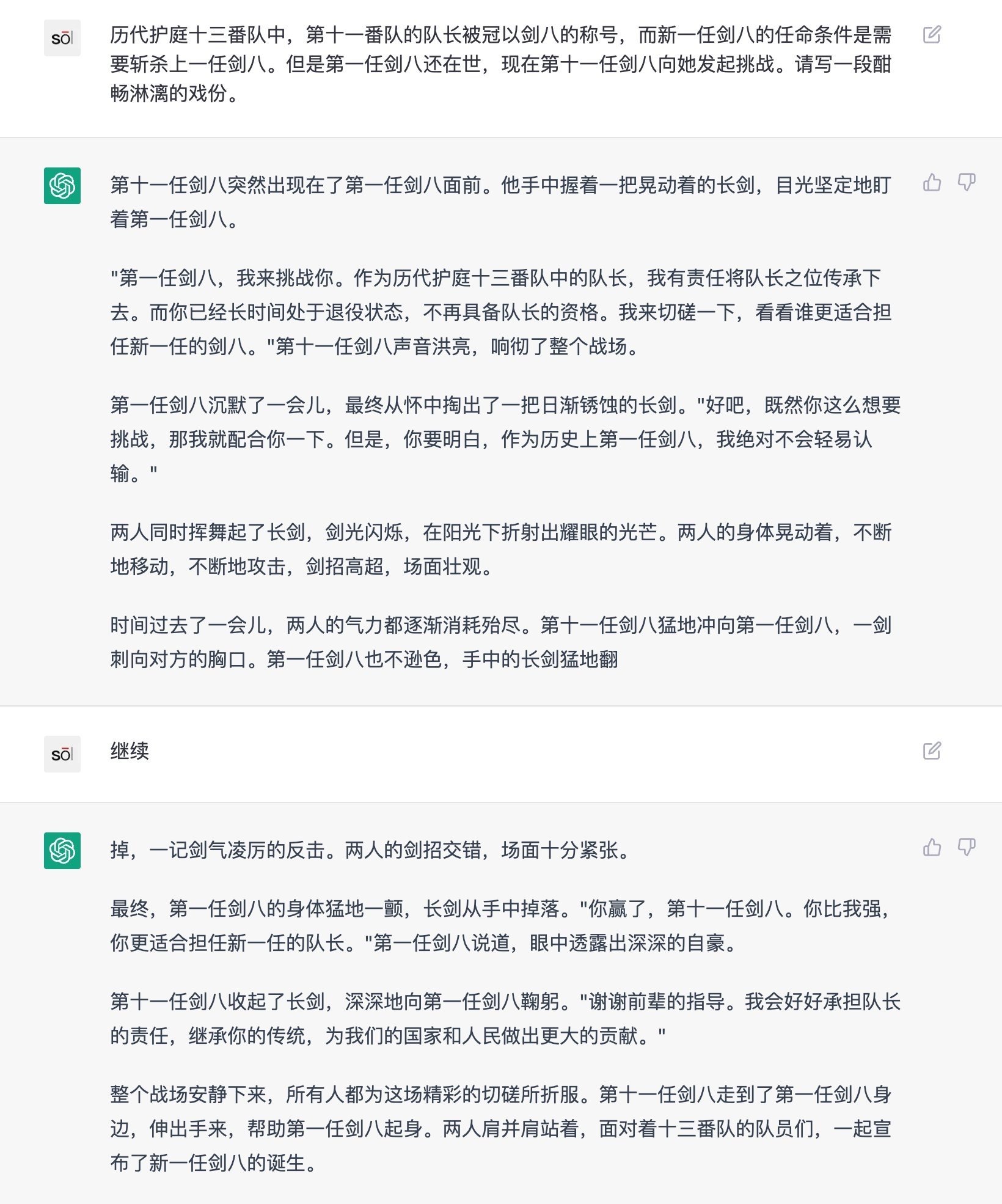
How to write a formal application?

Formal event arrangement

What’s hard about writing poetry?

Cooking might be better than you

Understanding ability is stronger than ordinary people
Besides writing articles, it can actually answer some daily questions very well, such as Q&A, explaining the meaning of code, helping you correct wrong English grammar, and even generating SQL statements by looking at your sentences. What makes me feel magical here is that his Q&A has a bit of human touch.
Chatting with emotion

I don’t understand this code, can you explain it to me?

I just started learning English, help me check grammar mistakes?

Help me write a SQL query

Search is creation ability is stronger than ordinary people
In addition to the above, this #DALLE2 AI painting function made me slowly realize that this thing is actually a “prototype of the next generation of intelligent search”. It is equivalent to whatever you want, it tells you, which is simpler and more efficient than the current google search. It can be very convenient to provide material semantic sources for later robot-like scenarios, but it is actually not as smart as imagined, such as the last picture, expecting it to be more productized.
Find dog

Find handsome dog

Handsome guy in green

How not to be replaced by OpenAI
It is stronger than ordinary people in some aspects, especially for repetitive mental labor, such as repetitive writing of clichés, writing code, drawing pictures. So how not to be replaced? We still need to learn more, think actively, practice more, read more books, do more challenging things. The key to avoiding being replaced in cognition is to constantly learn and improve our abilities, and strive to adapt to new environments and challenges.
End of full text.
Ironically, this answer also comes from him…
Three-part answer

You were humble?
